EdTech: Why I believe that the next chapter belongs to Sports Brands
Duolingo has been an outrageoius success story and it proved something big. A simple habit, designed well, can scale learning to hundreds of millions of people.
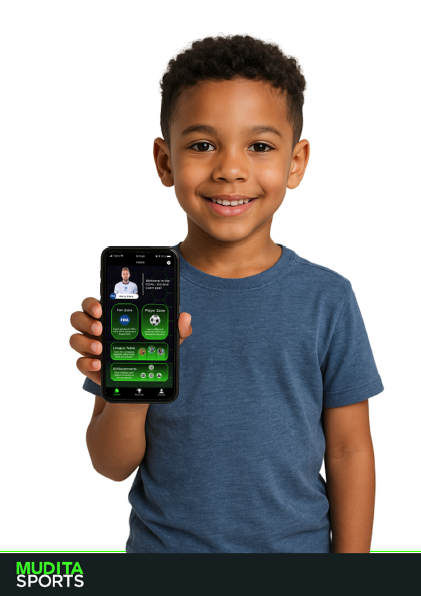
95% of Edtech app users drop outlay Day 30, Mudita fix that with Fandom
But it also proved how expensive that journey is. Before its IPO, Duolingo raised more than $180m, relied on Google/Alphabet backing, and took over 10 years to reach consistent profitability. It had to buy distribution, build brand trust from zero, and fight for attention in an overcrowded app economy.
It worked, but it was hard and with huge churn, it still depends on extrinsic rewards to keep people coming back. 95% of EdTech app users drop out by day 30.
The problem is that streaks and badges create usage, but not loyalty and when the streak breaks, users walk away.
Duolingo nailed three things.
1. Frictionless onboarding (one tap to start)
2. Momentum via variable rewards (streaks deliver micro-wins)
3. A playful tone that disarms anxiety (Green Owl ain't judging you).
The result? High DAU/MAU ratios (around 34%) in strong cohorts and over $1B in revenue.
But gamification has its flaws. It boosts short-term engagement but often yields shallow learning and high churn once novelty fades. Users return for points, not purpose. Duolingo scales brilliantly, but long-term attachment needs engagement and belonging, which sports teams have in droves!
Sport changes that equation because fans do not just consume sport, they feel as if belong to it. Their social identity as fan identification rises as they consume and understand more, so does loyalty, spend and advocacy. Core fans stay longer, pay more and behave differently because the relationship is emotional, not transactional.
Sports clubs already has what most learning apps lack, a local and global audience ready and waiting with owned distribution across social channels, apps, stadiums and CRM systems. Sports clubs have already created the emotional attachment to their fans that makes behaviour stick.
Mudita provides a commercial platform to convert casual fans into core fans to increase LTV and protect long-term brand value. Clubs know that emotionally connected (core) fans are 2–3x more valuable than satisfied (casual) ones and if fandom is one of the strongest identity anchors in global culture, then the next decade of learning should belong to sport.
Without using a green owl, Mudita’s lessons live inside the club’s world with real players and coaches become “Hero Teachers”. Playing the games makes progress feel like you’re becoming a smarter fan or more capable young athlete, not “doing homework”.
Fans come in for the club stories, the players stats and the team news. They hardly notice it, but they stay because they improve in maths, languages or other academic skills delivered through the identity they care about most.
Duolingo spent a decade building the type of scale that sports clubs already have
They spends tens of millions trying to acquire emotionally engaged users but sports clubs have these by default
Green owls, habits and games got EdTech to scale, but it’s going to be branmds and identity that will drive the next wave of loyalty, learning and enterprise value.